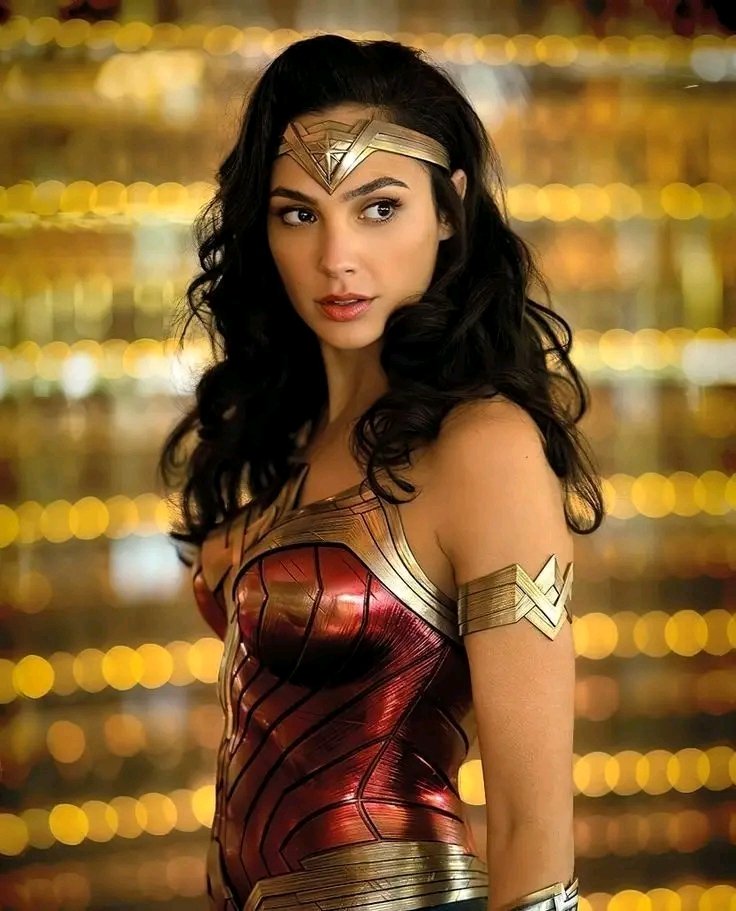
DC Universe Reportedly Prepares New Wonder Woman for 2027 as Gal Gadot Era Sparks Heated Fan Debate
DC Universe Reportedly Prepares New Wonder Woman for 2027 as Gal Gadot Era Sparks Heated Fan Debate
The future of one of the most iconic superheroes in modern cinema is once again at the center of global discussion. New industry reports suggest that the Wonder Woman franchise may be heading toward a major reboot, with a new version of the character expected to debut around 2027. If true, the move would signal a significant shift for the DC cinematic landscape and potentially mark the end of an era defined by Gal Gadot.
While no official casting announcements have been confirmed by DC leadership, the rumors alone have been enough to ignite heated debate across social media platforms, fan communities, and entertainment circles. For many, the possibility of a recast raises excitement about a refreshed cinematic universe. For others, it feels like the closing chapter of a character interpretation that helped define a generation of superhero films.
At the heart of the discussion is a larger question: how does a studio successfully reinvent a globally recognized character without alienating the audience that helped build her legacy?
—
The Gal Gadot Era: A Defining Chapter in Superhero Cinema
When Gal Gadot first stepped into the role of Wonder Woman in Batman v Superman: Dawn of Justice (2016), expectations were cautiously optimistic. However, it was her 2017 solo film, Wonder Woman, that transformed public perception and firmly established her portrayal as a cultural milestone.
Directed by Patty Jenkins, the film became a box office success and was widely praised for its emotional depth, character-driven storytelling, and empowering themes. Gadot’s performance was central to its impact, blending strength, compassion, and sincerity in a way that resonated with global audiences.
The success of the first film elevated Wonder Woman into a new era of mainstream relevance. It was no longer just a comic book icon; she became a symbol of empowerment in modern pop culture. Gadot reprised the role in Justice League (2017), Wonder Woman 1984 (2020), and various cameo appearances that solidified her version of the character within the DC Extended Universe.
However, not all entries received the same level of acclaim. While the original film was widely celebrated, Wonder Woman 1984 received mixed reviews from critics and audiences, sparking broader discussions about the direction of the franchise.
Despite this, Gadot’s portrayal remained a defining interpretation for many fans, especially those who connected with her version of Diana Prince during a time when superhero films were rapidly evolving.
—
Reports Suggest a New Direction for 2027
Recent entertainment industry reports indicate that DC Studios may be planning a major reboot of its superhero universe, with a refreshed Wonder Woman expected to debut in or around 2027. While details remain unconfirmed, speculation suggests that the character could be reintroduced as part of a broader restructuring of DC’s cinematic timeline.
This potential reboot aligns with the studio’s ongoing efforts to reorganize its superhero slate under a unified long-term vision. Over the past several years, DC has undergone multiple creative shifts, including changes in leadership, film strategy, and character direction.
A new Wonder Woman would likely serve as a cornerstone for this reimagined universe, potentially introducing audiences to a younger or differently interpreted version of the Amazonian warrior.
Industry insiders, however, emphasize that no official casting decisions have been made public. Instead, discussions appear to be in early development stages, with multiple creative directions still under consideration.
Even so, the mere possibility of recasting such a beloved character has triggered widespread discussion among fans and critics alike.
—
Fan Reactions: Divided Between Excitement and Nostalgia
The reaction from fans has been immediate and polarized.
On one side, many viewers are excited about the idea of a refreshed DC Universe that could bring new energy, storytelling styles, and interpretations of iconic characters. For these fans, a reboot represents an opportunity to correct past inconsistencies and build a more cohesive narrative foundation.
Supporters of a new Wonder Woman argue that comic book characters are inherently adaptable. In the source material, superheroes are frequently reimagined across different timelines, universes, and artistic interpretations. From this perspective, a new casting choice is not a replacement but an evolution.
On the other side, a large portion of the fanbase remains deeply attached to Gal Gadot’s portrayal. For them, she is not just one interpretation among many — she is Wonder Woman.
Social media discussions reflect this emotional divide. Some users express excitement about seeing a fresh take on the character, while others describe the potential recast as unnecessary or premature. Hashtags related to Wonder Woman and Gal Gadot have begun trending intermittently as debates intensify.
Many fans also point out that Gadot’s portrayal came during a formative era for modern superhero films, making her version of the character especially nostalgic for audiences who grew up with the DC Extended Universe.
—
The Challenge of Recasting an Icon
Recasting a character as globally recognized as Wonder Woman is no small task. Unlike supporting roles or lesser-known heroes, Wonder Woman occupies a unique cultural position as one of the most recognizable female superheroes in the world.
Casting a new actor will involve more than just finding someone who fits the physical or performance requirements of the role. The studio must also consider audience expectations, franchise continuity, and the emotional attachment built over nearly a decade.
Historically, superhero recasts have produced mixed reactions. Some transitions have been smooth, especially when accompanied by clear narrative resets. Others have faced resistance when audiences felt the change was abrupt or unnecessary.
In this case, the challenge is amplified by the global popularity of Gadot’s portrayal. Her version of Wonder Woman has become widely associated with themes of empowerment, compassion, and leadership. Any new interpretation will inevitably be compared to her performance.
Industry analysts suggest that DC’s success will depend heavily on how the transition is framed. A carefully constructed narrative reboot, rather than a sudden replacement, may help ease audience adjustment.
—
DC Studios and the Bigger Reboot Strategy
The rumored Wonder Woman recasting is not occurring in isolation. It appears to be part of a broader restructuring effort within DC Studios, which has been working toward a more unified and strategically planned cinematic universe.
In recent years, the franchise has struggled with tonal inconsistencies and shifting creative directions. As a result, leadership has explored the possibility of a fresh start that would allow for more coherent storytelling across films, series, and character arcs.
A rebooted Wonder Woman could serve as a foundational pillar in this strategy. Alongside other major characters, she may be reintroduced in a way that aligns with a newly established timeline and narrative structure.
This approach mirrors strategies used in other superhero franchises, where reboots and reinterpretations have been used to maintain long-term audience interest while modernizing characters for new generations.
However, the success of such a strategy depends heavily on execution. Poorly received reboots can lead to audience fatigue, while well-planned ones can revitalize entire franchises.
—
Industry Perspectives: Why Wonder Woman Matters So Much
Entertainment analysts emphasize that Wonder Woman is one of the most valuable intellectual properties in the superhero genre. Unlike many characters whose popularity fluctuates, she has maintained consistent global recognition for decades.
Her presence in cinema represents more than just entertainment value; she is also a cultural symbol. As one of the first widely successful female-led superhero films in modern Hollywood, her cinematic journey carries significant industry importance.
Because of this, any change in casting or direction is closely watched by both fans and professionals.
Some experts believe that rebooting the character could open doors for more diverse storytelling possibilities. Others caution that changing such a widely embraced portrayal carries risks that could impact audience trust.
Still, there is agreement on one point: Wonder Woman remains a cornerstone of DC’s long-term success strategy.
—
What a New Wonder Woman Could Look Like
Although no official details have been confirmed, speculation about the direction of a potential reboot continues to grow. Some theories suggest a younger Diana Prince, allowing the character’s origin story to be retold for a new generation. Others propose a more mythologically grounded approach, leaning heavily into Amazonian lore and fantasy elements.
There is also discussion about whether the new version will exist within a completely separate continuity or be integrated into an evolving shared universe.
Casting speculation has already begun circulating online, though no credible confirmations have been made. As with most major superhero roles, expectations are high, and fan opinions are already forming before any official announcements.
—
The Emotional Weight of Transition
Beyond business strategy and cinematic planning, there is an emotional dimension to this transition. For many fans, superhero characters are not just fictional figures — they are part of personal cultural history.
Gal Gadot’s portrayal of Wonder Woman arrived during a time when audiences were seeking strong, hopeful female heroes on screen. Her performance filled that space in a way that resonated deeply with viewers around the world.
As discussions about recasting continue, that emotional connection remains central to the debate. Even fans who support a reboot acknowledge that letting go of the current version may be difficult.
—
Conclusion: A Franchise at a Crossroads
The rumored introduction of a new Wonder Woman in 2027 represents more than a casting change — it symbolizes a potential turning point for the entire DC cinematic universe.
Whether the studio proceeds with a full reboot or adopts a more gradual transition remains to be seen. What is clear, however, is that the conversation surrounding Wonder Woman continues to carry significant cultural weight.
As fans debate the future, one thing remains certain: the legacy of Wonder Woman — both past and future — will continue to shape the superhero genre for years to come.
And as Hollywood prepares for its next evolution, the question is not just who will wear the tiara next, but how audiences will embrace a new chapter in a story that has already become iconic.
About The Author